
Cancer and its far and wide reach has Socially Sparked® our lives in both, positive and negative ways. In honor of Word Cancer Day’s 20th Anniversary we share twenty sparks on world cancer you should know.
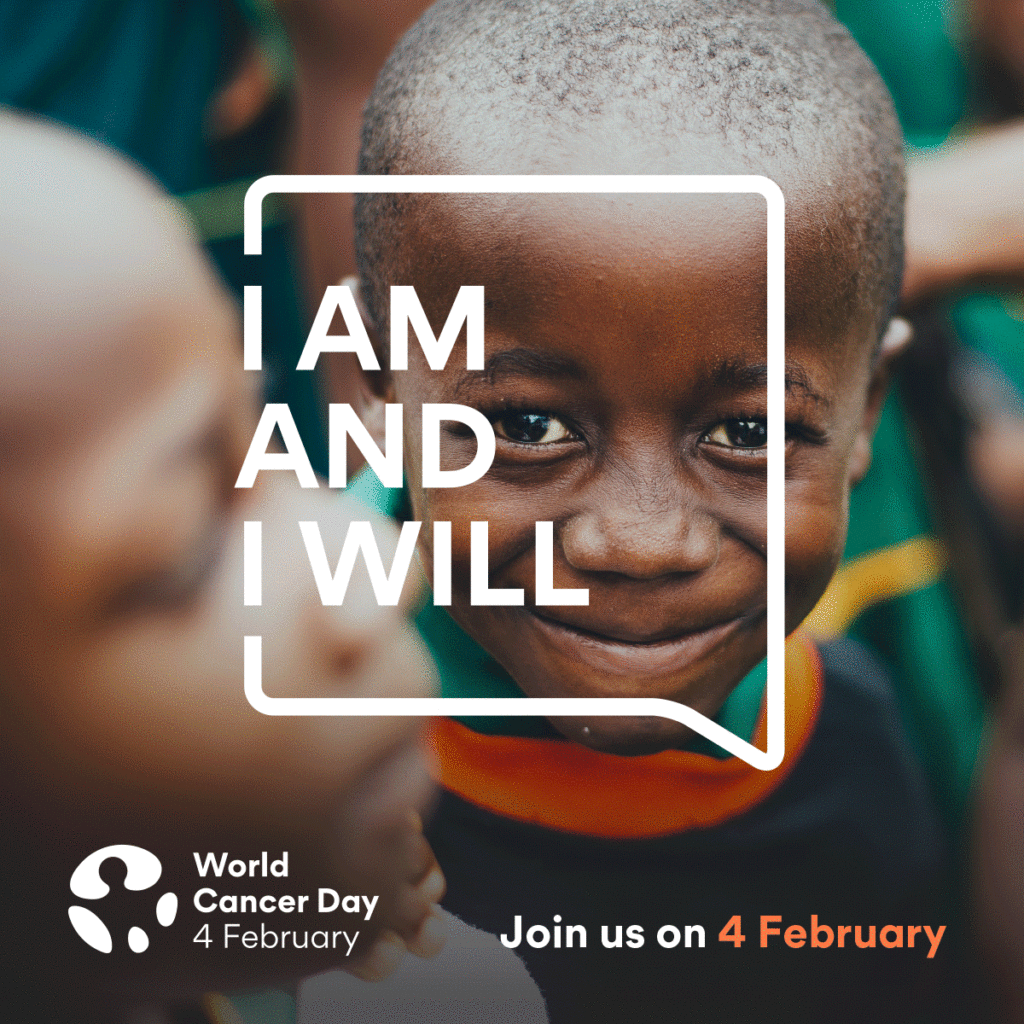
WORLD CANCER DAY is a campaign built to resonate, inspire change and mobilize action long after the day has passed. The annual campaign is led by the Union for International Cancer Control (UICC) and is held each February 4th.
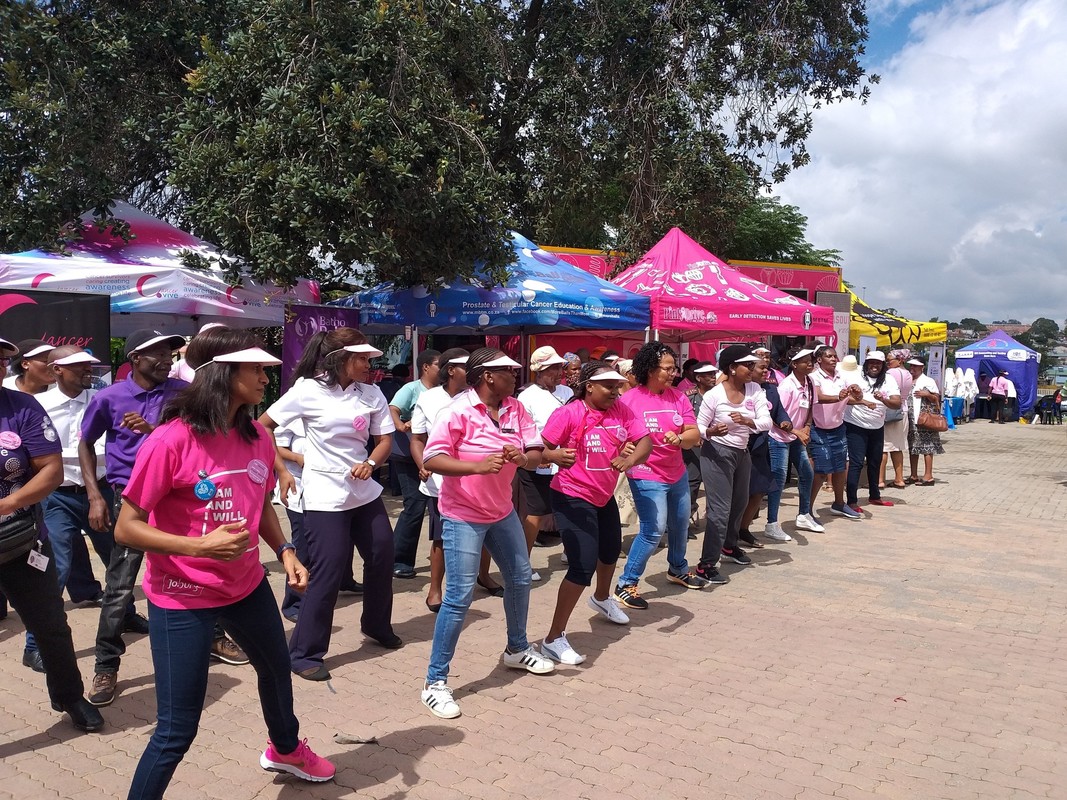
This year’s theme: ‘I Am and I Will’ is an empowering call-to-action urging for personal commitment and represents the power of individual action taken now to impact the future.
2020 marks the midway point of the 3-year ‘I Am and I Will’ campaign. A multi-year campaign offers a chance to create long-lasting impact by increasing public-facing exposure and engagement, more opportunities to build global awareness and impact-driven action.
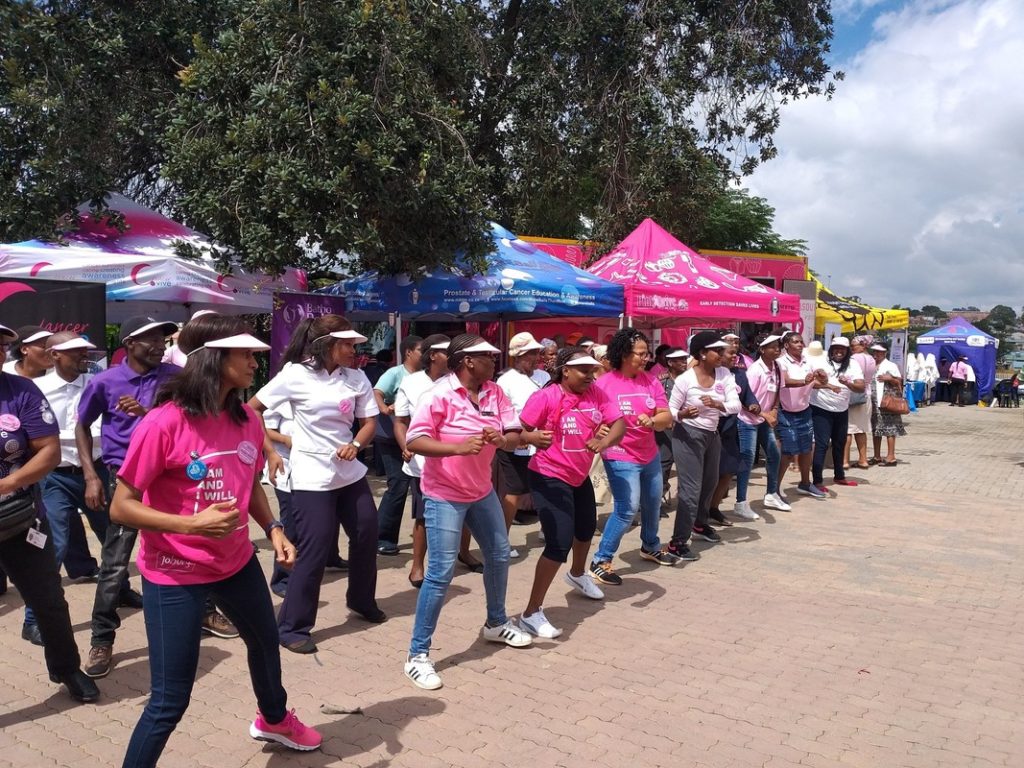
As part of the 20th Anniversary of WCD, the UICC just released its new international survey revealing an unacceptable cancer awareness divide. Some of these findings are highlighted below as part of our 20 World Cancer Day Sparks.

20 WORLD CANCER DAY SPARKS
World Cancer Day’s ‘I Am and I Will’ campaign calls on each person to make a commitment – big or small UICC. recommends that everyone:
- Use World Cancer Day as an opportunity to improve your understanding of cancer risk factors: share your knowledge with others
- Make a personal commitment to reduce your cancer risks: quitting smoking, eating healthily, exercising regularly & using sunscreen
- Take advantage of what your health system can provide: getting a check-up, getting screened, and getting vaccinated
CANCER FACTS
- Cancer is the second-leading cause of death worldwide
- Approximately one-in-five men and one-in-six women worldwide will develop cancer over the course of their lifetime, and that one-in-eight men and one-in eleven women will die from their disease. This equates to around 9.6 million people dying from cancer in 2018 (The International Agency for Research on Cancer)
- By 2040, the number of new cancer cases worldwide are expected to rise to 30 million
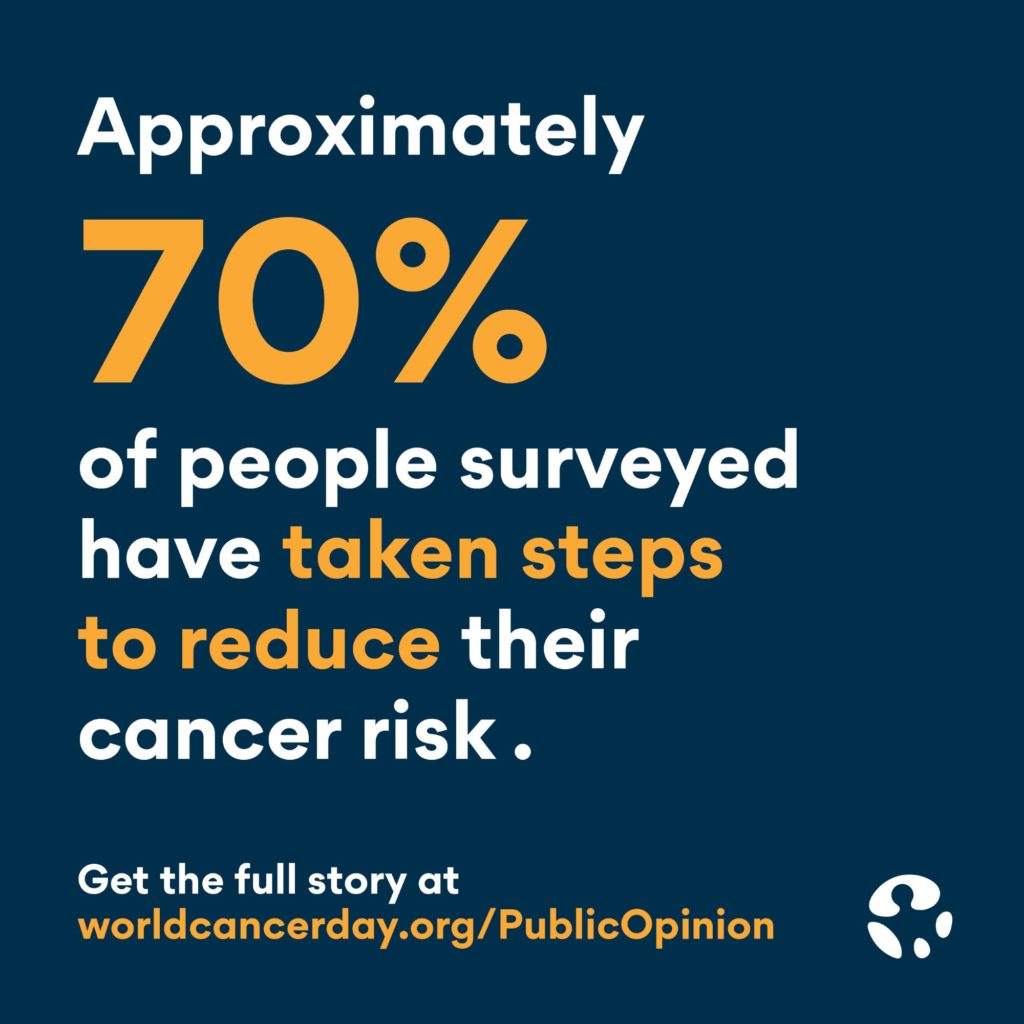
- Approximately 70% of all cancer deaths occur in low- and middle-income countries (LMICs) as these countries are least well placed to deliver the services needed
- At least one third of common cancers are preventable.
- Genetic mutations play a role in 5-10% of cancers.
- 27% of cancers relate to tobacco and alcohol use
- Up to 3.7 million lives could be saved each year by implementing resource appropriate strategies for prevention, early detection, and treatment
- The total economic cost of cancer is USD 1.16 trillion. This translates into a loss of productivity and household income, reduction of quality of life, disability, and ultimately premature death
THE SURVEY: AWARENESS OF CANCER RISKS
- There is generally a high level of cancer awareness among the surveyed population globally. Tobacco use (63%), exposure to harmful UV rays (54%) and exposure to tobacco smoke from others (50%) appear to be the most recognized factors that can increase a person’s risk of cancer.
- A lack of exercise (28%), exposure to certain viruses or bacteria (28%) and being overweight (29%) appear to be the least recognized cancer risk factors.
- Individuals from a lower-income household bracket in the countries surveyed are less likely to recognize cancer risk factors than those from higher-income households. In all areas except tobacco use, this trend can also be seen when comparing people surveyed who have not completed a university education to those with university educations.
- An overwhelming 84% of individuals surveyed felt that governments should be taking action in relation to cancer whilst nearly a third of individuals surveyed believed that it is most important for governments to improve the affordability of cancer services – a measure notably emphasised by people surveyed in lower middle-income countries
PREVENTION / KEY ISSUES
- Awareness: Increased awareness and accurate information and knowledge can empower all of us to recognise early warning signs, make informed choices about our health and counter our own fears and misconceptions about cancer
- Prevention and Risk reduction: At least one third of cancers are preventable giving us every reason to champion healthy choices and prevention strategies for all, so that we have the best chance to reduce or prevent our cancer risks.
- Equality in Access to Cancer Services Life-saving cancer diagnosis and treatment should be equal for all – no matter who you are, your level of education, level of income or where you live in the world. By closing the equity gap, we can save millions of lives.
- Government Action and Accountability Proactive and effective actions on national health planning are possible and feasible in every country, and when governments step up efforts to reduce and prevent cancer, they place their nations in a stronger position to advance socially and economically.
- Beyond Physical: Mental and Emotional Impact. Quality cancer care includes dignity, respect, support and love and considers not just the physical impact of cancer but respects the emotional, sexual and social wellbeing of each individual and their care.
- Working Together as One: A united strategic collaboration that involves civil society, business, cities, research and academic institutions, and international organizations offer the strongest ways to help expand awareness and support, convert political will into action, and deliver comprehensive solutions.

The international community and cancer with a capitol ‘C’ have certainly come a long way in educating the public and in the quest for a cure. World Cancer Day has Socially Sparked our lives for good for two decades. Twenty years creating sparks advocating and promoting cancer awareness around the world is a huge milestone. There’s more to do in this new decade. Joining efforts leads to powerful action at every level. Here’s to hoping that by 2030 we see this disease extinguished. For more information, visit www.worldcancerday.org/ –Abbe is #SociallySparked Tweet us @sosparkednews & @asparks01
The Author

You Might Also Like